
Le Migliori Scarpe da Calcio per Erba Artificiale 2026 — AG, 3G e 4G
18 febbraio 2026· Di The Boots Tracker Team
Introduzione
L'erba artificiale non è più la parente povera del mondo del calcio. I moderni campi 3G e 4G sono veloci, uniformi e utilizzati da milioni di giocatori ogni settimana in tutta Europa — dai tornei domenicali ai centri di allenamento professionali. Ma indossare le scarpe sbagliate su queste superfici è uno degli errori più comuni e costosi che i giocatori commettono.
Le migliori scarpe da calcio per l'erba artificiale nel 2026 sono progettate appositamente per le esigenze uniche dell'erba sintetica: distribuzione uniforme della pressione dei tacchetti, riduzione dello stress articolare e grip che non ti blocca a metà virata. Questa guida ti dice esattamente cosa cercare e raccomanda i migliori pick AG per ogni budget.
Iniziamo capendo perché questo è importante.
Perché le Scarpe FG Normali Sono Sbagliate per l'Erba Artificiale
Questo è il punto più importante dell'intera guida, quindi saremo diretti: giocare con scarpe FG su un campo moderno 3G o 4G è dannoso per il tuo corpo e per il tuo gioco.
Ecco perché:
- I tacchetti FG sono troppo lunghi per le superfici sintetiche, creando una pressione concentrata e non uniforme sulla pianta del piede — dolorosa nel corso di 90 minuti
- I pattern di tacchetti FG sono ottimizzati per penetrare l'erba naturale — sull'erba sintetica con riempimento in gomma, possono bloccarsi e resistere alla rotazione, aumentando drasticamente il rischio di lesioni alla caviglia e al ginocchio
- Il coefficiente di attrito dell'erba artificiale è diverso — trattiene i tacchetti in modo più aggressivo, il che significa che i tacchetti a lama più lunghi delle FG creano forze torsionali eccessive sulle articolazioni di ginocchio e caviglia
Le scarpe AG (Artificial Ground) risolvono questi problemi grazie all'ingegneria.
Cosa Rende Diversa una Scarpa AG?
Una suola AG è specificamente progettata per superfici sintetiche. I principi di design chiave:
- Numero maggiore di tacchetti: Le suole AG hanno tipicamente 16–28 tacchetti rispetto ai 10–14 delle suole FG. Più tacchetti = distribuzione della pressione più uniforme
- Altezza dei tacchetti ridotta: I tacchetti AG sono 3–8mm più corti rispetto agli equivalenti FG, riducendo il rischio di blocco durante la rotazione
- Forma conica dei tacchetti: I tacchetti rotondi e conici si liberano dalle fibre sintetiche più agevolmente dei tacchetti a lama, riducendo la resistenza rotazionale
- Tacchetti cavi o ventilati: Alcune suole AG (come quelle Nike) svuotano il corpo del tacchetto per ridurre il peso mantenendo l'integrità strutturale
"Se giochi due o più sessioni a settimana sull'erba artificiale e usi ancora scarpe FG, stai essenzialmente scegliendo di aumentare il rischio di infortuni ad ogni allenamento. Il passaggio all'AG non è facoltativo — è preventivo." — The Boots Tracker Expert
Cosa Cercare Quando si Acquistano Scarpe AG
Prima di passare alle raccomandazioni specifiche, ecco i nostri criteri:
- Suola AG certificata: Cerca l'etichetta esplicita "AG" sulla scatola e sul linguetta della scarpa. MG (Multi-Ground) è un'alternativa accettabile per un uso occasionale
- Numero di tacchetti di 16+: Più tacchetti significa più comfort sulle superfici artificiali dure
- Durabilità della tomaia: L'erba artificiale è più abrasiva dell'erba naturale. Una tomaia sintetica durevole o rinforzata durerà più a lungo di una delicata maglia
- Prezzo vs. frequenza d'uso: Se giochi sull'AG 3+ volte a settimana, investi in un paio adeguato. Una volta a settimana? Un AG di fascia media va bene
Le Migliori Scarpe da Calcio per Erba Artificiale 2026
Migliore Scarpa AG Elite: Nike Air Zoom Mercurial Vapor 16 Elite AG (~€260–€275)
La Mercurial Vapor 16 Elite AG è il gold standard delle prestazioni sull'erba artificiale al livello elite. Nike ha raffinato la variante AG per offrire prestazioni vicine a quelle FG senza il rischio di infortuni.
Perché si distingue:
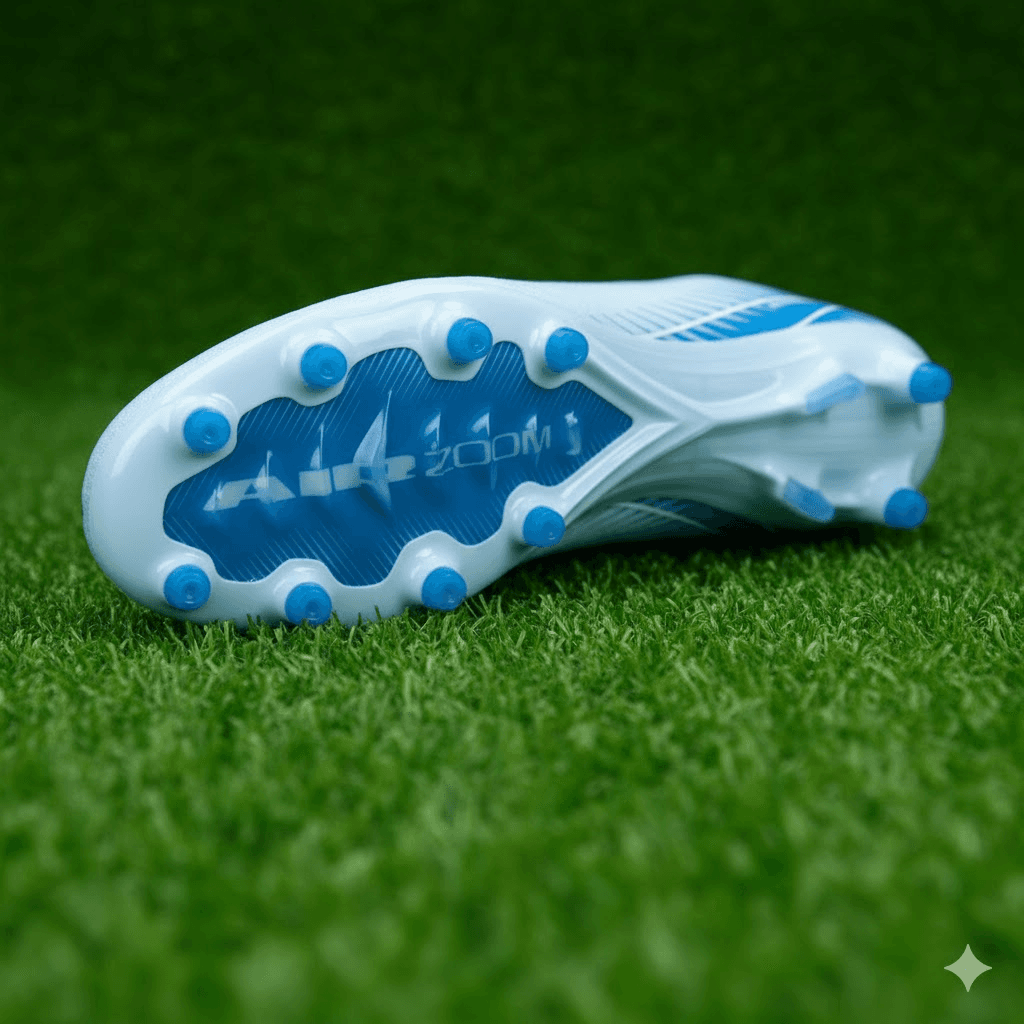
- Suola Aerotrak AG: 28 tacchetti conici cavi offrono un grip eccezionale con una liberazione pulita e fluida — perfetta per il gioco veloce e laterale comune sui campi AG
- Tomaia Vaporposite+: Sottile, reattiva e notevolmente durevole per una scarpa di top tier — resiste bene alla texture abrasiva dell'erba sintetica
- Zoom Air unit: L'unità Zoom Air articolata nel puntale offre un ammortizzamento che diventa genuinamente prezioso quando si gioca sulla base più dura sotto l'erba artificiale
Ideale per: Giocatori orientati alla velocità — ali, attaccanti, centrocampisti offensivi — che giocano sull'AG 3+ volte a settimana e vogliono prestazioni elite senza compromessi.
Migliore Scarpa di Controllo sull'AG: Adidas Predator Elite AG (~€265–€285)
Se sei un centrocampista o difensore che gioca regolarmente sull'erba artificiale e valorizza la potenza rispetto alla velocità pura, la Adidas Predator Elite AG è la scelta migliore.
Perché si distingue:
- Suola Spreadframe AG: La variante AG di Adidas usa un numero maggiore di tacchetti con tacchetti conici più corti e larghi progettati specificamente per le superfici sintetiche
- Tomaia Control Skin: Le zone di grip in gomma performano al meglio sull'AG — la superficie piatta e uniforme dell'erba artificiale amplifica lo spin e la potenza del pallone che il Control Skin genera
- Durabilità: La costruzione Control Skin su maglia è una delle tomaie elite più durevoli disponibili — l'erba artificiale non la degrada in modo apprezzabile
Ideale per: Centrocampisti fisicamente dominanti, difensori e specialisti dei calci piazzati che giocano su superfici AG.
Migliore Scarpa di Tocco sull'AG: Adidas Copa Pure 2 Pro AG (~€160–€180)
La Copa Pure 2 Elite non è disponibile in variante AG, quindi la Copa Pure 2 Pro AG è la migliore opzione in pelle per l'erba artificiale — ed è una soluzione brillante.
Perché si distingue:
- Pelle sull'AG: Il livello Pro usa una pelle di vitello di alta qualità che è leggermente più durevole del K-leather pieno sulle superfici abrasive, mantenendo un tocco eccezionale
- Suola Stabilframe AG: La suola AG della Copa distribuisce il peso in modo uniforme con tacchetti conici — perfetta per le esigenze di comfort delle sessioni lunghe sull'erba sintetica
- Rapporto qualità-prezzo: A ~€170, questo è il punto di equilibrio per i giocatori che privilegiano comfort e tocco senza pagare prezzi elite
Ideale per: Centrocampisti tecnici, giocatori più anziani che privilegiano il comfort articolare e giocatori con piedi larghi che trascorrono la maggior parte del loro tempo su superfici AG.
Migliore Scarpa AG di Fascia Media: Puma Future 7 Pro AG (~€150–€170)
La Puma Future 7 Pro AG è la migliore scarpa AG di fascia media del 2026, e la filosofia di vestibilità adattiva di Puma la rende un'opzione straordinariamente versatile.
Perché si distingue:
- Suola Dynamic Motion System AG: Progettata con una divisione tra puntale e tallone, che consente alla suola di flettersi naturalmente con il piede durante i cambi di direzione — riducendo la rigidità comune nelle suole AG più economiche
- Fascia FUZIONFIT+ sul mesopiede: La fascia di compressione adattiva elastica avvolge il mesopiede per una vestibilità genuinamente personalizzabile — particolarmente utile quando si indossano calzini più spessi nelle sessioni AG invernali
- Durabilità della tomaia: Il livello Pro usa una maglia sintetica resistente che gestisce le elevate esigenze di attrito dell'erba artificiale
Ideale per: Centrocampisti e difensori tuttofare che giocano 2–3 volte a settimana sull'AG e vogliono eccellenti prestazioni senza il prezzo elite.
Migliore Scarpa AG Budget: Nike Phantom GX 2 Academy AG/MG (~€65–€75)
Per i giocatori con un budget limitato che giocano principalmente su superfici AG, la Nike Phantom GX 2 Academy AG/MG rappresenta un valore eccezionale.
Perché si distingue:
- Suola AG/MG: La suola multiground di Nike a questo livello è stata perfezionata nel corso delle generazioni — comoda sull'AG e abbastanza versatile per un uso occasionale sull'erba naturale compatta
- Tomaia sintetica solida: Il livello Academy usa una robusta tomaia sintetica NikeSkin affidabile che non si deteriora sulle superfici AG abrasive
- Prezzo: Sotto i €75, questo è il prezzo minimo per una scarpa AG dedicata. Qualsiasi cosa più economica tende a tagliare angoli sul design della suola in modi che compromettono l'intero scopo
Ideale per: Giocatori giovani, giocatori ricreativi che giocano una volta a settimana sull'AG e chiunque abbia bisogno di una scarpa da allenamento affidabile per le superfici sintetiche.
Migliore Valore AG: New Balance Tekela V4+ Magique FG/AG (~€100–€120)
New Balance non riceve l'attenzione che merita, e la Tekela V4+ Magique è un perfetto esempio del perché questo sia un errore.
Perché si distingue:
- Suola doppiamente certificata FG/AG: Certificata sia per il terreno compatto che per il terreno artificiale, rendendola genuinamente versatile senza compromettere nessuna delle due superfici
- Tomaia Phantomfit+: Una tomaia in maglia sottile e reattiva con un'eccellente durabilità — una delle tecnologie di tomaia più sottovalutate nel calcio
- Vestibilità più ampia: New Balance costruisce costantemente scarpe con più spazio per le dita rispetto a Nike o Adidas, rendendo la Tekela una vera opzione per i giocatori con piedi larghi che faticano a trovare scarpe AG comode
Ideale per: Giocatori che dividono il loro tempo tra erba naturale e AG, e quelli con piedi da medi a larghi.
Manutenzione delle Scarpe AG: Come Farle Durare
L'erba artificiale consuma le scarpe più velocemente dell'erba naturale. Alcune abitudini estenderanno significativamente la vita delle tue scarpe AG:
- Risciacqua i tacchetti dopo ogni sessione — il riempimento in gomma si deposita negli alloggiamenti dei tacchetti e si indurisce se lasciato
- Asciuga naturalmente, lontano dai termosifoni — il calore eccessivo degrada sia le tomaie sintetiche che i tacchetti AG in gomma
- Alterna con un secondo paio se possibile — le scarpe hanno bisogno di 24 ore per decomprimersi completamente e asciugarsi tra un utilizzo e l'altro
- Controlla l'usura dei tacchetti ogni 3–4 settimane — i tacchetti AG consumati perdono la loro funzione di pressione uniforme e iniziano a comportarsi come tacchetti FG consumati
Conclusione
Scegliere le scarpe giuste per l'erba artificiale nel 2026 è uno dei miglioramenti più semplici in termini di prestazioni e prevenzione degli infortuni che qualsiasi giocatore possa fare. Che tu stia spendendo €70 per un modello Academy affidabile o €275 per un modello AG elite, la chiave è acquistare scarpe effettivamente progettate per le superfici sintetiche.
I nostri top pick coprono ogni budget e stile di gioco. Sfoglia e confronta le scarpe AG presso i rivenditori europei su Boots Tracker — filtra per tipo di superficie e trova il paio giusto per il tuo campo.
Articoli Correlati: